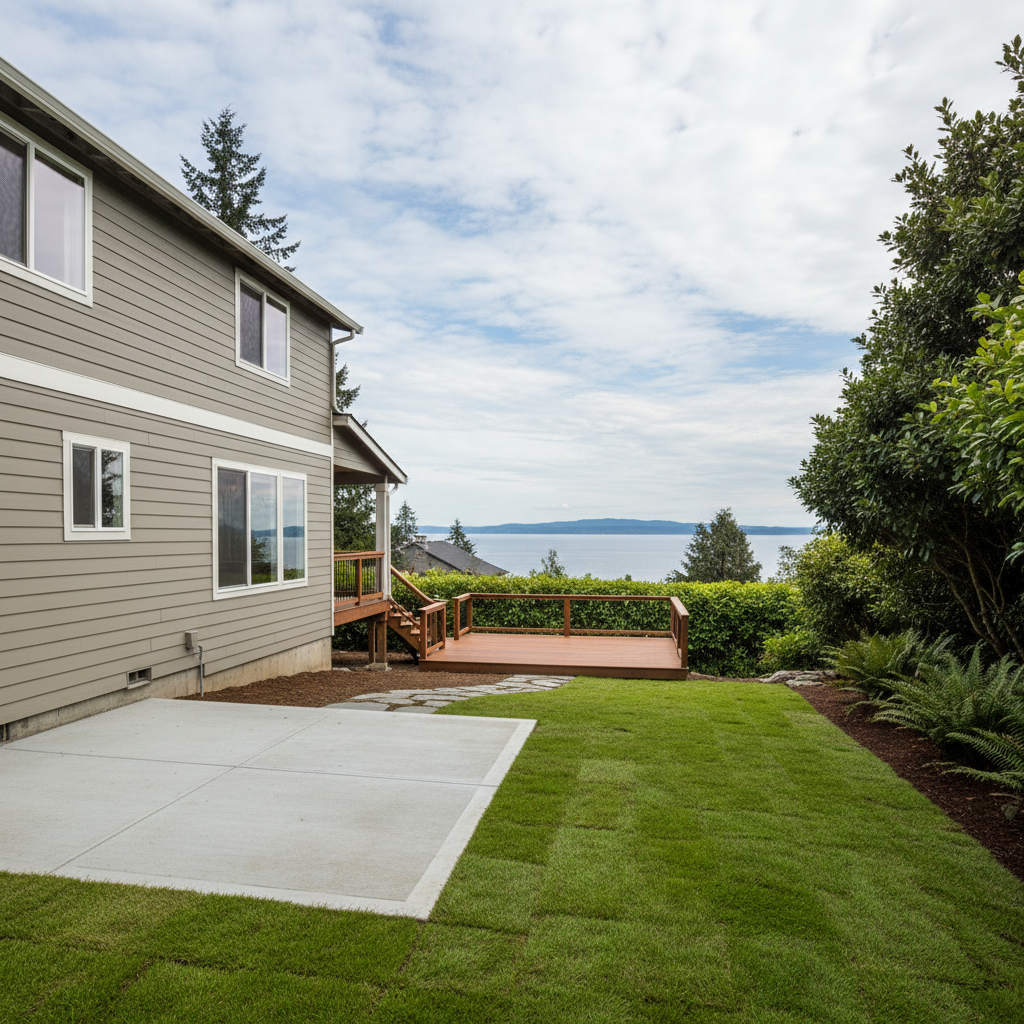
That big storm rolled off Puget Sound last week, dumped inches of rain on our steep hillsides, and tested every drainage system in Mukilteo. If you recently went through Water Damage Restoration, you are probably breathing a sigh of relief now that the drywall is patched and the floors are dry. But here is the reality check: our local weather is not done with you yet. Between the relentless winter drizzle, heavy clay soils that hold onto water, and stubborn marine moisture rolling off the water, keeping a restored home dry takes ongoing effort.
Extending the life of Water Damage Restoration work really comes down to managing moisture before it gets comfortable in your framing. You cannot just fix the damage once and forget about it. Harbor Point Restoration has walked into too many homes down near Harbour Pointe where people thought the job was permanently done, only to find fresh trouble six months later because they ignored the basics.
What Regular Maintenance Looks Around Here
Routine upkeep in Western Washington looks a bit different than it does in drier climates. You have to stay proactive.
- Check your crawl space or basement monthly during the rainy season to make sure the perimeter drains are actually doing their job.
- Clean out your gutters twice a year, because pine needles from our local evergreens love to clog downspouts and send roof runoff right against your foundation.
- Run your dehumidifier if indoor humidity creeps above fifty percent, especially in lower levels where the air stagnates.
- Inspect window wells and make sure they are not filling up with mud and standing water after a heavy downpour.
Warning Signs That Trouble is Creeping Back
Water Damage Restoration issues rarely announce themselves with a loud bang after the initial flood event. Instead, Water Damage Restoration problems creep in quietly. If you notice a musty, earthy smell that does not go away when you air out the house, that is your nose telling you moisture is trapped somewhere behind the walls. Keep an eye out for baseboards that look slightly warped or paint that is starting to bubble up near the floor. Efflorescence, that powdery white crust showing up on concrete or masonry foundation walls, means water is actively pushing through from the outside soil.
When to Call a Professional
Some weekend do-it-yourself fixes work great for small issues, but water intrusion in our climate demands a heavier hand once it crosses a certain threshold. If you spot active mold growth larger than a small patch, or if you feel spongy subflooring near an exterior wall, do not wait. Call Harbor Point Restoration for Water Damage Restoration work in Mukilteo, WA before a minor moisture issue turns into a major structural headache. We know how these local soils behave and what it takes to keep your house solid through the wet months ahead.